When a sticking lock is a security warning
Locks are supposed to work smoothly. A key that slides in and turns with a clean click is the normal sound of a lock in good condition. When that same key starts to stick, drag, or require a jiggle to work, many people dismiss it as a minor annoyance. In reality, a sticking lock often signals a developing problem that can compromise the security of your home. Understanding why locks stick and what that means for your safety can help you act before a small issue becomes a serious vulnerability.
A lock is a precise mechanical device. Inside the lock cylinder, a set of pins and springs align at specific heights when the correct key is inserted. That alignment allows the cylinder to rotate and retract the bolt. Over time, dust, dirt, and dried lubricant can accumulate inside the cylinder, causing the pins to move sluggishly. Temperature changes and humidity can also cause metal parts to expand or contract slightly, throwing off the tolerances that make a lock operate smoothly. When any of these factors come into play, the key may not seat fully, the pins may not align perfectly, and the lock becomes stiff or sticky.
For a homeowner, a sticking lock is not just an inconvenience. It is a clue that the lock may not be providing the secure entry for Vaughan homes that it was designed to deliver. A lock that requires extra force to turn can be defeated more easily by a burglar using simple tools like a screwdriver or a wrench. The same stiffness that frustrates you can also mask the signs of an attempted break-in. A lock that has been tampered with may feel different from a lock that is simply dirty, and if you are used to a sticky lock, you might not notice the difference until it is too late.
What causes a lock to stick?
Several common conditions can make a lock behave poorly. Identifying the cause is the first step toward deciding whether the lock can be repaired or needs to be replaced.

Dirt and debris inside the cylinder
Locks are exposed to the elements, even when they are mounted on a door under a roof. Dust from the air, pollen, and fine grit can work their way into the keyway. Over months and years, this material mixes with the small amount of oil that may have been applied to the lock, forming a paste that gums up the pins. The result is a lock that feels gritty or sticky when the key is turned. Cleaning the cylinder with a dry lubricant or a lock-specific cleaner can often restore smooth operation, but only if the debris has not damaged the pins or springs.
Worn or damaged internal parts
Locks wear out. The pins inside a lock cylinder are made of brass, which is softer than the steel key that slides against them. With thousands of insertions, the pins can develop flat spots or become chipped. The springs that push the pins into place can lose tension over time. When internal parts wear unevenly, the lock may stick in one position or refuse to turn at all. Rekeying the lock can replace the pins and springs, restoring proper function without changing the exterior hardware. However, if the cylinder itself is damaged, a complete replacement may be necessary.
Misaligned strike plate or door frame
A lock that sticks may not be faulty in itself. Sometimes the problem is with the door or frame. If the strike plate, the metal piece mounted on the door frame that receives the lock bolt, is out of alignment, the bolt may scrape against it when the door is closed. This creates resistance that feels like a sticking lock. Seasonal changes in humidity can cause wooden doors to swell, shifting the alignment slightly. In other cases, the door may have sagged on its hinges over time, causing the bolt to miss the strike plate opening. Adjusting the strike plate or tightening the hinge screws often solves the problem without any work on the lock itself.
Frozen lock in cold weather
In regions with cold winters, ice can form inside the lock cylinder when moisture condenses and freezes. A frozen lock will not accept a key at all, or the key will go in but will not turn. This is a temporary condition that can be resolved by warming the key or using a de-icer designed for locks. However, repeated freeze-thaw cycles can cause internal corrosion, leading to permanent sticking. A lock that freezes frequently may need to be replaced with a model that has better weather resistance or a built-in drain to prevent moisture buildup.
When a sticking lock is a security risk
A lock that sticks because of dirt or a minor alignment issue is usually not a security problem by itself. The concern arises when the sticking behavior allows the lock to be bypassed or when it masks a more serious failure. A lock that does not fully engage the bolt into the strike plate leaves the door only partially secured. A determined intruder can apply force to the door and spring the bolt free. Similarly, a lock that requires excessive force to turn may cause the key to break off inside the cylinder, leaving you locked out and the lock disabled.
Another security angle involves key control. If your lock sticks and you find yourself forcing the key, you may be putting extra stress on the key itself. A worn or bent key can break off inside the lock, but it can also be copied more easily by someone who handles it. A key that is bent or worn may not match the lock's pinning exactly, and that mismatch can make the lock easier to pick. For a residential locksmith, a sticking lock is often a sign that the lock's precision has degraded, making it less resistant to tampering.
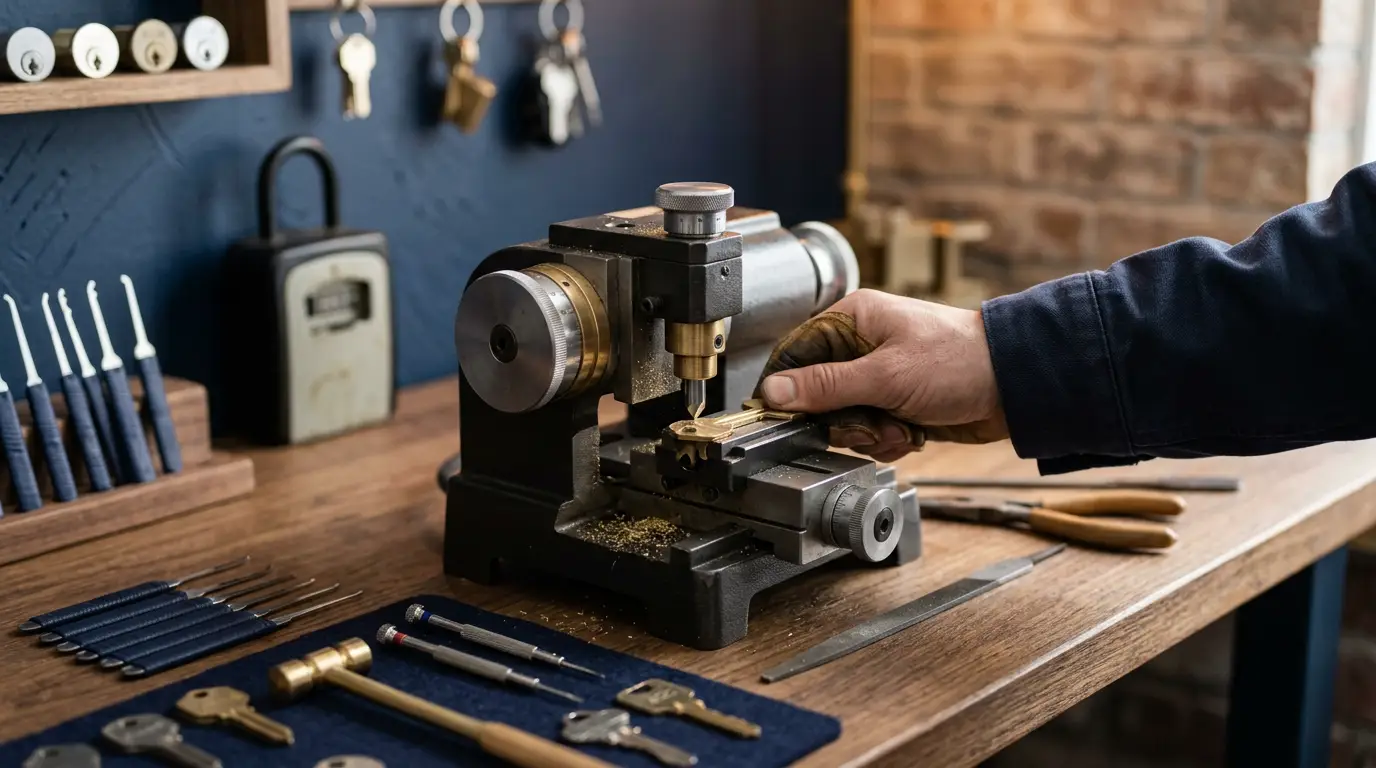
A sticking lock can also indicate that someone has attempted to manipulate it. Burglars sometimes use a technique called lock snapping, where they apply sudden force to the cylinder with a tool. This can damage the internal components and cause the lock to feel different afterward. If your lock suddenly becomes stiff or loose after a period of normal operation, it is worth inspecting for signs of tampering, such as scratches around the keyway or a loose cylinder set screw.
What you can do about a sticking lock
Before calling for professional help, there are a few simple checks you can perform safely. First, try a different key. If you have a spare, test it in the lock. A sticking lock that works smoothly with one key but not another points to a worn or bent key, not a lock problem. If the lock sticks with all keys, the issue is likely inside the lock itself.
Next, look at the alignment of the door. Close the door and examine the gap between the door and the frame around the lock area. If the gap is uneven, the door may be out of alignment. Try tightening the screws on the door hinges. If the door still does not sit squarely, the strike plate may need to be moved slightly. This is a straightforward adjustment that involves loosening the strike plate screws, tapping the plate slightly in the direction needed, and retightening the screws.
For a lock that is dirty, avoid using oil-based lubricants like WD-40, which can attract more dust and make the problem worse over time. Instead, use a dry graphite powder or a lock-specific spray lubricant. Insert the lubricant into the keyway, insert and remove the key several times, and wipe off any excess. This can free up sticky pins and restore smooth operation.
When to replace the lock
If cleaning and alignment adjustments do not solve the sticking problem, the lock may be too worn to function reliably. At that point, replacement is the safest option. A new lock will provide the precise fit and resistance that a worn lock cannot. Modern deadbolts and smart locks offer improved materials and weather resistance that can prevent sticking issues from recurring. For homeowners who want to keep the same key system, rekeying the existing lock may be an option if the cylinder is still in good shape, but a professional assessment is needed to determine whether the lock body itself is compromised.
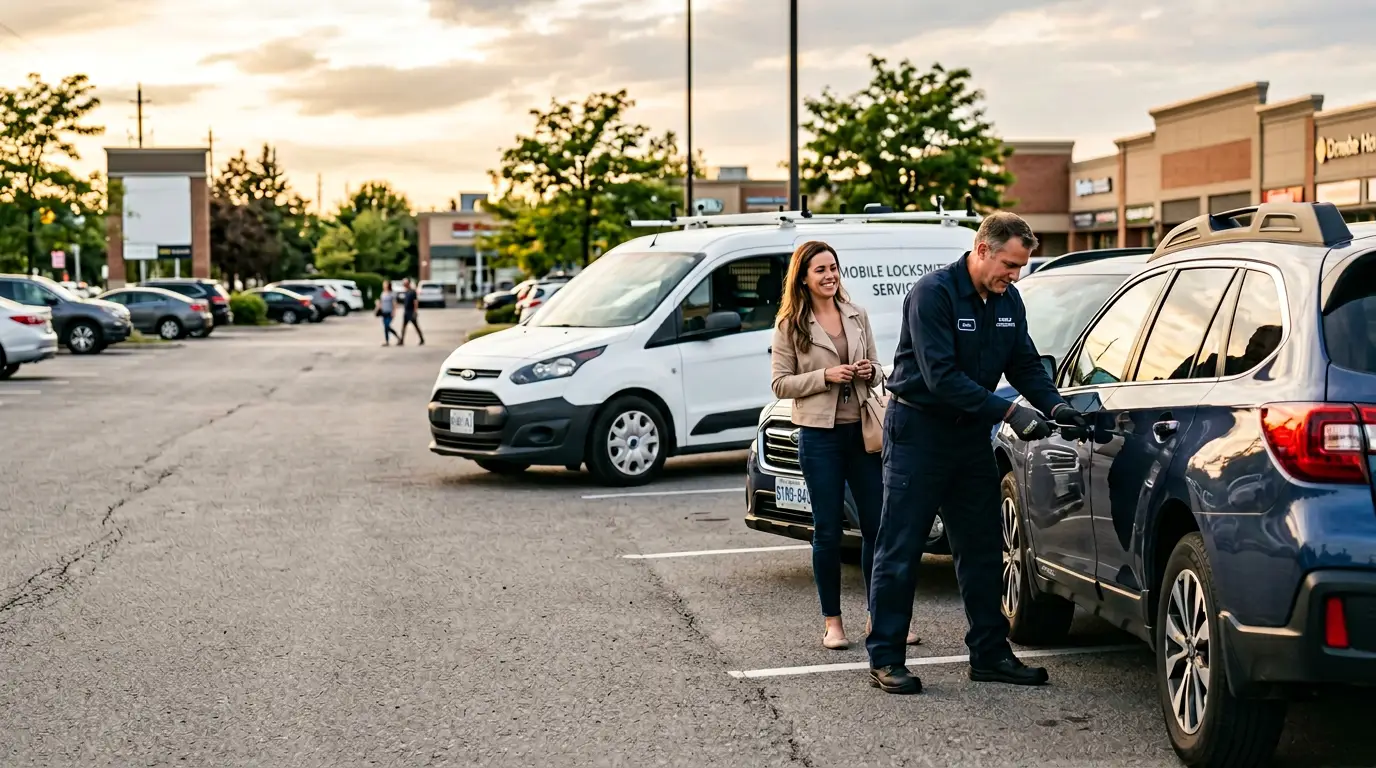
A lock that sticks intermittently is often overlooked because it works most of the time. But security is about reliability. A lock that fails when you need it most, whether that is during a late-night return home or during an attempted break-in, is a weak point in your home's defenses. Paying attention to how your locks feel and act is a simple way to catch problems early. If a lock continues to stick despite your efforts, it is wise to have it inspected by a qualified professional who can assess whether the lock is still providing the secure entry for Vaughan homes that you rely on.
Locks are the first line of defense for your home and family. A sticking lock is not just a nuisance; it is a message that something has changed. Listening to that message and acting on it can prevent a small annoyance from turning into a security failure. A lock that works properly gives you confidence every time you close the door. That confidence is worth protecting.